Child Abuse Prevention Month: Supporting Children & Families

Every child deserves a safe, stable, and nurturing environment where they can grow and thrive. April is recognized as Child Abuse Prevention Month, a time to raise awareness, foster supportive communities, and take action to prevent child abuse and neglect. This month serves as a reminder that we all have a role to play in strengthening families and creating a brighter future for children.
Theme: Powered by Hope, Strengthened by Prevention

A Shift in Perspective: Positive Childhood Alliance
Formerly known as Prevent Child Abuse, the organization has rebranded as Positive Childhood Alliance (PCA) to reflect a strengths-based approach to prevention. Launched on March 1, this shift emphasizes how fostering positive childhood experiences serves as a crucial factor in preventing abuse. By focusing on building strong, supportive environments for children, we can proactively address challenges before they lead to harm.
What are Protective Factors?
Protective factors act as buffers against adverse experiences and promote positive development at the individual, family, community, and societal levels. The HOPE (Healthy Outcomes from Positive Experiences) framework developed by Tufts University highlights key protective factors:
- Nurturing relationships
- Safe, stable, and equitable environments
- Opportunities for social and civic engagement
- Emotional growth
These elements collectively work to create a foundation where children and families can thrive.
Strong social connections and community support play a significant role in preventing child abuse. Families facing stressors and hardships are better equipped to navigate challenges when they have access to resources and a supportive network. Research shows that children who have positive relationships within their communities experience a sense of belonging and safety, which fosters their well-being and resilience.
The Role of Parental Resilience in Prevention
Parental resilience is a key factor in child abuse prevention. When caregivers demonstrate resilience and effectively manage stress, they create a stable and emotionally safe environment for their children. Resilient parents are less likely to resort to harmful behaviors and more likely to seek support when needed. Encouraging parents to build resilience through community programs, mental health resources, and peer support can make a significant difference in family well-being.
Mental health support is essential for parents and caregivers in managing stress and breaking cycles of trauma. Access to counseling, peer support groups, and parenting programs can provide valuable tools for navigating challenges and fostering healthy relationships within the family. By addressing mental health concerns, caregivers can create a more positive and supportive home environment.
Intentional moments of connection between caregivers and children can strengthen bonds and create a sense of security. Simple actions such as putting away phones, listening actively, and empathizing with children’s emotions can make a profound impact. Encouraging relationships with trusted adults—such as educators, mentors, and family members—also contributes to a child’s overall sense of belonging and support.
Attend a Basics Playground Palooza if you are a parent/caregiver!
Ways to Get Involved Beyond Wearing Blue
While wearing blue is a visible way to show support, especially on Wear Blue Day on April 4th, there are many ways to take action during Child Abuse Prevention Month:
- Attend a training – Mandated Reporter Training on April 15th, GSU Child Welfare Training Collaborative on April 10th and April 24th, and Adult Mental Health First Aid Training on April 28th
- PCA Cobb Strategy Team meeting on April 16th
- Recognize the signs of child abuse and neglect – Education and awareness empower individuals to take action when necessary
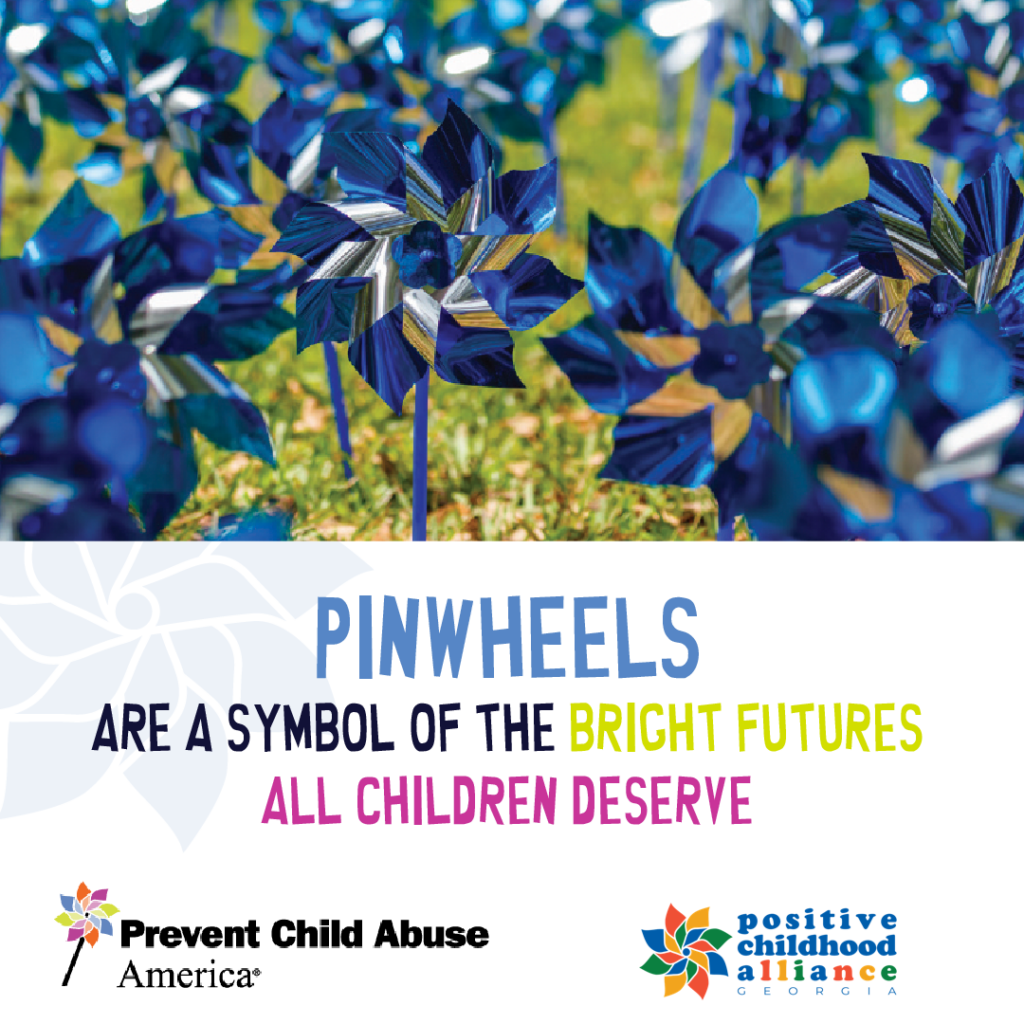
- Plant a pinwheel garden – Pinwheels symbolize happy, healthy childhoods and serve as a visual reminder of the importance of prevention efforts
The Symbolism of the Pinwheel
The pinwheel has become the national symbol of Child Abuse Prevention Month, representing the simple joys of childhood. It serves as a visual cue that prevention efforts must focus on strengthening families and communities. Pinwheel gardens, planted across the country, spark conversations and increase engagement in child abuse prevention initiatives.
Reach out to team member, Lesleigh Sanders, to discuss pinwheel garden opportunities if interested.
A Call to Action
Preventing child abuse requires a collective effort from individuals, communities, and organizations. By fostering positive childhood experiences, supporting families, and promoting resilience, we can create a society where every child has the opportunity to grow up safe and supported. This April, let’s commit to making a lasting impact by prioritizing child well-being and family strength.
How will you take action this Child Abuse Prevention Month?