Restoring Dignity, Reclaiming Peace: Inside the Mission of Loving Arms

Healing is rarely a solo journey, yet the path of a cancer diagnosis can often feel incredibly isolating. From the physical changes that challenge our identity to the logistical hurdles that drain our energy, the ‘hidden’ side of cancer care is where Loving Arms Cancer Outreach does its best work. Serving seven Georgia counties with their mission of coming alongside those who are experiencing vulnerable journeys, this organization provides the essential infrastructure of hope—financial assistance, support groups, and dignity-restoring resources. Read on as we explore the vital work being done at Loving Arms and how their community-first approach is strengthening the emotional and mental resilience of survivors and their families alike.
1. Loving Arms is known for providing very tangible, practical support—like gas cards and utility assistance. How have you seen these ‘small’ financial actions directly impact a patient’s emotional capacity to keep fighting?
“At Loving Arms, we’ve learned that there is nothing “small” about practical help during cancer. When a patient doesn’t know how they’ll get to treatment because they’re out of gas, or whether their lights will stay on, their stress impacts their mental health and decision making ability.
When we provide something tangible — a gas card, help with utilities, groceries — we’re not just paying a bill. We’re reducing stress. We’re giving them breathing room. And that breathing room restores emotional capacity.
Practical support becomes mental health support. It says, “You’re not alone. We’ve got you.””
2. This year’s mental health theme from Mental Health America is ‘More Good Days, Together.’ Your support groups are a cornerstone of what you do in Georgia. How does the ‘together’ aspect of Loving Arms help transition a patient from the isolation of a diagnosis into a community of ‘warriors’?
“A cancer diagnosis is isolating. Even when you’re surrounded by people, you can feel completely alone — because no one else truly understands what you’re going through.
In our support groups, cancer patients walk into a room filled with people who get it. No explaining. No pretending. Just shared understanding. We often see someone come in quiet, guarded, overwhelmed — and over time, they begin to speak more in group, to laugh again, to mentor someone newly diagnosed.
They transition from “Why me?” to “I can help someone else.”
We intentionally call them warriors because it reframes the identity from victim to strength. Community restores dignity. It replaces isolation with belonging. And belonging is one of the most powerful protectors of mental health.”
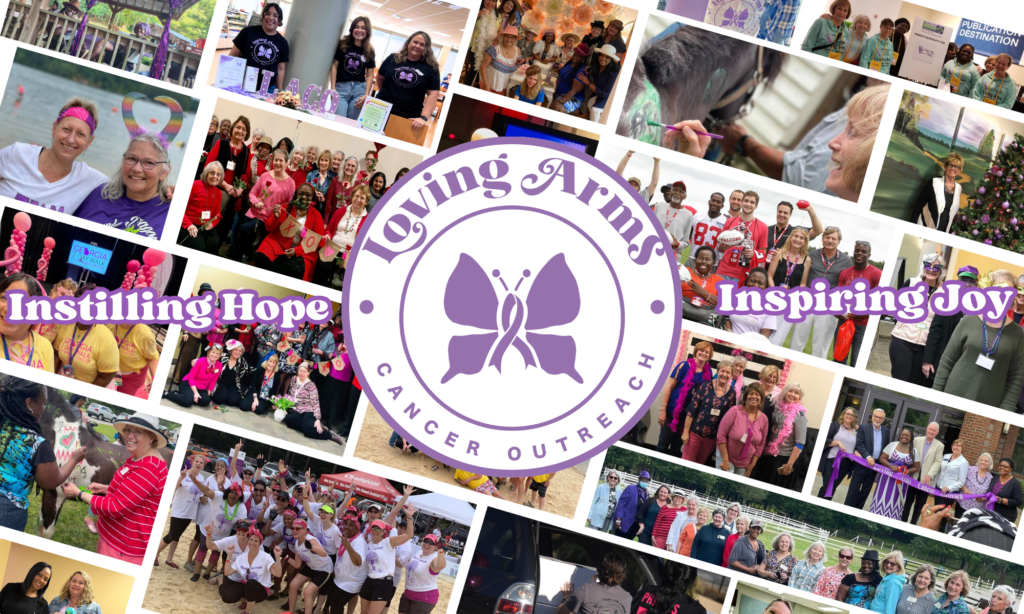
3. The Wig-A-Thon events and your wig room provide more than just head coverings; they seem to provide a sense of reclaimed identity. From a mental health perspective, why is protecting a patient’s sense of self and dignity such a critical part of the recovery journey?
“Hair loss is often one of the most visible signs of cancer. It’s public. While we logically know hair does not define us, it changes how someone sees themselves — and how they believe others see them.
Our Wig Room and Wig-A-Thon events are about far more than appearance. They are about restoring control during a time when so much feels out of control.
When someone looks in the mirror and sees themselves again — not just “a cancer patient” — it protects their identity. It can reduce social withdrawal. It allows someone to walk into a room without feeling defined by their diagnosis.”
4. Cancer is a journey that the whole family takes. Loving Arms supports not just the patient, but the caregivers and family members as well. In your experience, what are the unique mental health challenges that caregivers face, and how does your organization ‘arm’ them with the support they need?
“Caregivers carry a silent weight. They are often managing appointments, finances, medications, household responsibilities — all while suppressing their own fear. Many feel they can’t fall apart because someone else needs them to be strong.
Common challenges we see include chronic stress, exhaustion, guilt (feeling they’re not doing enough), anxiety about the future and financial pressure. Caregivers often neglect their own mental health entirely.
At Loving Arms, we intentionally support the whole family. We offer inclusive support group for the patient and the caregiver, resources, financial relief, and simply a place where they can exhale. When we help with a utility bill or provide resources, we’re supporting the caregiver too.
We “arm” them with community, information, and reassurance that they are not alone in carrying the burden.
When caregivers are supported, patients are stronger. The family unit stabilizes. And that strengthens everyone’s mental resilience.”
5. Looking forward, how do you hope the work of Loving Arms is changing the ‘mental landscape’ for cancer survivors in Georgia long after their active treatment has ended?
“Our hope is that long after treatment ends, survivors carry a different internal narrative.
Instead of trauma being the defining memory, they remember community. Instead of isolation, they remember connection. Instead of financial devastation, they remember support. Clients often continue to be part of the Loving Arms family after treatment ends – attending support group and becoming a mentor for the newly diagnosed, volunteering with us, and attending our special outings and fundraisers.
We want survivors in Georgia to know asking for help is strength, mental health is part of cancer care. and community does not end when treatment ends.
We believe we are helping normalize conversations around emotional health in survivorship. “
6. How can people learn more and get involved?
“At Loving Arms, everything we do — from financial assistance to support groups to Wig-A-Thons to community events is rooted in one belief — No one should fight cancer alone.
We are excited about our upcoming events, including our annual Love Out Loud Music Festival at StillFire Brewing May 2nd. This Festival brings the community together to raise funds and awareness for local cancer patients. Events like these not only provide financial support but also create joy — and joy is powerful medicine for mental health. We also have monthly fundraiser nights at 3 Amigos Restaurant on Whitlock Rd., Marietta. You can learn all about our upcoming events by following us on social media or visiting our website. Facebook and Instagram @lovingarmscanceroutreach.”
Website: www.lovingarms.support
Ultimately, the work of Loving Arms Cancer Outreach reminds us that healing is a multifaceted process. While doctors manage the physical diagnosis, Loving Arms manages the human experience that surrounds it. By lifting the heavy weight of financial stress and providing a space for genuine connection, they allow people to redirect their mental energy toward what matters most: recovery and resilience. When the logistics are handled, the mind finally has the space it needs to breathe—and in the journey against cancer, that peace of mind is one of the most powerful medicines of all.